Septic System Regulations for Second Homes on St George Island in 2026
September 28, 2026 by Melissa Chandler
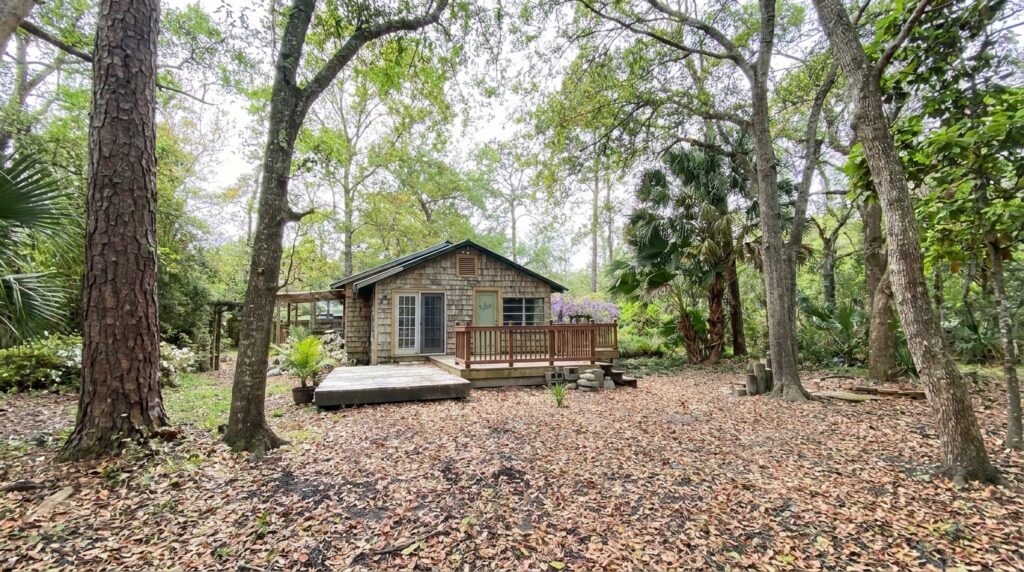
What are the septic system and wastewater regulations for second homes on St George Island, and how do they affect which properties you should buy in 2026?
St George Island has no central sewer system, so every property relies on a septic system, and as of 2026, new state laws have changed who issues permits and how the process works. Your property choice directly determines your environmental footprint and your long-term costs.
Why This Matters Right Now on St George Island
If you care about protecting the coast you are buying into, this is the single most important topic you can research before writing an offer. St George Island sits between the Gulf of Mexico and Apalachicola Bay, one of the most productive estuaries on the Gulf Coast. Every septic system on this 28-mile barrier island either contributes to or helps prevent nitrogen loading into those waters.
Two regulatory shifts make 2026 a turning point. First, as of January 2, 2025, the Florida Department of Environmental Protection (DEP) now manages all septic permitting in Franklin County, per the 2020 Clean Waterways Act. Second, HB 589 took effect on July 1, 2026, changing how septic permits interact with building permits, according to the Franklin County Zoning Department. If you are shopping for St George Island homes for sale this year, understanding these changes is not optional. It is foundational.
I have spent 13 years helping buyers navigate this island’s quirks. My family moved here in 1968. I have watched the regulatory landscape evolve from almost no oversight to a framework that is genuinely trying to protect this place. With over 300 closed transactions and a deep familiarity with what lies beneath these sandy lots, I can tell you that the septic question shapes every buying decision here more than most people realize.
Who Regulates Septic Systems on St George Island Now
You need to know who you are dealing with before you start shopping. The permitting authority changed recently, and the wrong assumption can cost you weeks.
As of January 2, 2025, septic system permitting in Franklin County transferred from the Florida Department of Health (DOH) to the Florida Department of Environmental Protection (DEP), per the DEP’s onsite sewage program. This means every new construction permit, every repair permit, and every system upgrade on St George Island now routes through the DEP.
What does this mean for your timeline? The DEP is managing this transition across 16 Florida counties simultaneously. When I talk to buyers about building timelines or renovation schedules, I always emphasize that you should budget extra time for permit processing during this transition period. The forms are different, the contacts are different, and the inspection protocols are still being standardized.
For existing homes you are considering purchasing, the key question to ask is whether the current septic system has an active operating permit. Aerobic treatment units (ATUs), performance-based treatment systems (PBTS), and any commercial systems all require operating permits, per Florida DEP requirements. If that permit has lapsed, you could be inheriting a compliance issue.
How HB 589 Changes the Building and Septic Permit Process
Here is where eco-conscious buyers need to pay especially close attention. Under HB 589, effective July 1, 2026, Franklin County can no longer require the issuance of a septic system construction permit as a condition for obtaining a building or plumbing permit, according to the Franklin County Zoning Department. Instead, applicants must provide documentation showing that the OSTDS (Onsite Sewage Treatment and Disposal System) application has been submitted, along with the associated site plan.
So what does “submitted” versus “approved” mean for you? It means construction can theoretically begin on a new home before the septic system design is fully permitted. If you are buying new construction or a lot you plan to build on, you want to verify that the septic permit is not just submitted but fully approved. A submitted application is not a guarantee the system will work on that specific lot.
This is especially critical on St George Island because of the island’s high water table and sandy soils. Chapter 64E-6 of the Florida Administrative Code requires a 24-inch separation between the wet season water table and the bottom of the drainfield. On a barrier island, meeting that standard often requires a mound system or an advanced treatment unit, both of which add cost and complexity. A lot that looks buildable on paper might not accommodate the required septic footprint once the soil evaluation comes back.
Franklin County staff themselves acknowledge this reality. According to the Franklin County Zoning Department, county staff cannot confirm that a lot is buildable. The only way to confirm buildability is to obtain a survey that includes all setback lines and any wetland coverage, then overlay your site plan to ensure everything fits in the buildable area.
Which St George Island Properties Are Best for Eco-Conscious Buyers
Now let me walk you through a practical decision framework. Not all St George Island real estate is equal when it comes to wastewater and environmental impact.
Properties with Aerobic Treatment Units or PBTS
Your best option as an eco-conscious buyer is a home already equipped with an aerobic treatment unit (ATU) or a performance-based treatment system (PBTS). Franklin County’s stated goal is to implement improved wastewater management on St George Island by meeting national standards for septic effluent. Many systems on the island have already moved to aerobic units, which treat effluent to a significantly higher standard than traditional gravity systems and dramatically reduce nitrogen output.
These systems do require maintenance contracts and regular inspections, so factor that into your annual ownership costs. But for a buyer who wants to minimize their impact on Apalachicola Bay and the Gulf, this is the gold standard.
Communities with Centralized Wastewater
Some communities on St George Island have solved the septic question entirely. Three Hundred Ocean Mile, for example, includes sewer in its HOA dues, along with cable, internet, trash, grounds maintenance, recreational facilities, and reserve funds. If you want zero septic headaches and minimal environmental risk, communities with centralized wastewater deserve a spot at the top of your list.
The Plantation, the flagship gated community on the island’s West End, has sub-communities with varying wastewater arrangements. Always ask about the specific wastewater setup for the section you are considering.
Older Homes with Standard Gravity Systems
If you are looking at a charming older cottage along E. Gulf Beach Drive on the East End or in the Mid-Island central village area, chances are good it has a standard gravity septic system. These are the least eco-friendly option, with the highest nitrogen output. That does not mean you should walk away, but you should budget for an upgrade to an ATU or PBTS, and you should get the existing system inspected before closing.
Vacant Lots
Buying a vacant lot and building your dream second home on St George Island is exciting, but septic regulations add a layer of complexity. You need a full survey with setback lines, a wetland delineation if there is any indication of wetlands on the property (per Franklin County requirements), and a site evaluation confirming the lot can accommodate your home and the required septic system footprint. Contact the DEP for septic permits and, if applicable, the Northwest Florida Water Management District for well permits.
What Septic Compliance Means for Your St George Island Budget
You are shopping in a market where the average home price runs approximately $1,502,000, with average taxes of $8,100 per year, per MLS data as of July 2026. The median home sold price was $1,200,000 as of July 2026. In August 2026, listings carried a median asking price of $1.24M at $557 per square foot.
Here is where septic costs fit into that picture. An ATU or PBTS installation on a new build can run significantly more than a standard gravity system, and the annual maintenance contract adds a recurring expense. If you are purchasing an existing home with a standard system and plan to upgrade, that renovation cost needs to be part of your offer math.
With home values down approximately 2.76% year-over-year per recent market data, and the average home selling for about 6% below list price and going pending in around 121 days per MLS data as of July 2026, you have negotiating room. What I tell my clients is that a septic system that needs upgrading is a legitimate negotiation point. It is not a dealbreaker; it is a line item.
Having closed over 300 transactions on this coast and earned a 5 out of 5 average rating across 33 client reviews, I have seen how the right due diligence on wastewater can save a buyer tens of thousands of dollars and protect the very ecosystem that drew them here.
How the Island’s Three Zones Compare on Wastewater
St George Island divides into three distinct zones, and each has wastewater considerations worth understanding.
The East End
The East End stretches along E. Gulf Beach Drive toward the Dr. Julian G. Bruce St. George Island State Park. Townhouses here are priced between $339,000 and $538,500, making this the most accessible entry point. Proximity to the state park means heightened environmental sensitivity. Septic systems near protected dune habitat and salt marshes face extra scrutiny, and rightly so.
Mid-Island and Central Village
The central village clusters around the Cape St. George Lighthouse and the intersection of W. Gulf Beach Drive and Bob Sikes Road. Homes here tend to be older, with the average year built across the island sitting at 1999, per MLS data as of July 2026. Older homes are more likely to have standard gravity septic systems that may benefit from upgrading.
The West End and The Plantation
The Plantation and communities like Three Hundred Ocean Mile offer the most turnkey wastewater solutions, with some sub-communities providing centralized sewer. If minimizing your environmental decision-making is a priority, this is where you start your search.
Frequently Asked Questions
Does St George Island have a central sewer system?
No. St George Island has no central sewage system. Every property relies on an individual onsite septic system unless it is within a community like Three Hundred Ocean Mile that includes sewer in HOA dues. This has been the case for decades and remains unchanged in 2026.
Who issues septic permits on St George Island in 2026?
As of January 2, 2025, the Florida Department of Environmental Protection (DEP) manages all septic system permitting in Franklin County, including St George Island. This responsibility transferred from the Florida Department of Health under the 2020 Clean Waterways Act.
What is an aerobic treatment unit and why does it matter on St George Island?
An ATU uses oxygen to break down waste more thoroughly than a standard gravity septic system. It produces significantly lower nitrogen output, which directly reduces pollution reaching Apalachicola Bay and the Gulf. Franklin County has encouraged the transition to aerobic units island-wide to meet national effluent standards.
What is the 24-inch water table separation rule?
Chapter 64E-6 of the Florida Administrative Code requires a minimum 24-inch separation between the wet season water table and the bottom of the drainfield. On a barrier island with high water tables and sandy soils like St George Island, this often means mound systems or advanced treatment units are necessary.
How does HB 589 affect buying a new-construction home on St George Island?
Under HB 589, effective July 1, 2026, Franklin County cannot require a completed septic construction permit as a condition for a building permit, per the Franklin County Zoning Department. You only need to show that the OSTDS application has been submitted. Eco-conscious buyers should verify the septic permit is fully approved, not just submitted.
Can Franklin County confirm whether a vacant lot on St George Island is buildable?
No. According to the Franklin County Zoning Department, county staff cannot confirm buildability. You need a survey that includes all setback lines and any wetland coverage, then overlay your site plan to confirm everything fits, including the septic system footprint.
Are wetland delineations required on St George Island?
Franklin County may require a Certified Wetland Delineation when there is potential for wetlands on a property. This is triggered by review of the National Wetlands Inventory, site conditions, or other environmental indicators.
Do ATU and PBTS systems require ongoing permits?
Yes. Operating permits are required for aerobic treatment units, performance-based treatment systems, commercial septic systems, and industrial-zoned septic systems, per Florida DEP requirements. These permits must stay current.
What is the water supply situation on St George Island?
Water Management Services, Inc. is a privately owned water utility supplying residential and commercial water to all of St George Island, operating under a Florida Public Service Commission franchise for more than 30 years. There is no municipal water system.
Should I get a septic inspection before buying a second home on St George Island?
Absolutely. Whether you are buying an older home with a standard gravity system or a newer home with an ATU, a thorough septic inspection before closing tells you the system’s condition, its compliance status, and whether an upgrade is needed. This is the single most important piece of due diligence for eco-conscious buyers on a barrier island.
The Bottom Line
St George Island is one of the last truly unspoiled barrier islands on the Gulf Coast, and keeping it that way depends in part on the wastewater decisions property owners make. As an eco-conscious buyer shopping for a second home in 2026, you are entering a market where septic regulations have meaningfully shifted, where your property choice directly affects Apalachicola Bay’s health, and where the right due diligence can align your values with your investment.
I grew up here. My family has been on this island since 1968, and I have spent 13 years in real estate helping buyers understand what makes this place different. If you are serious about finding the right St George Island home, one that fits your environmental values and your financial goals, I would love to have that conversation. Call me at 850-653-7893 or visit my office at 140 W 1st Street on St George Island. This is what I do, and it is where I live.