True Costs of Selling a Historic Home in Apalachicola FL in 2026
October 1, 2026 by Melissa Chandler
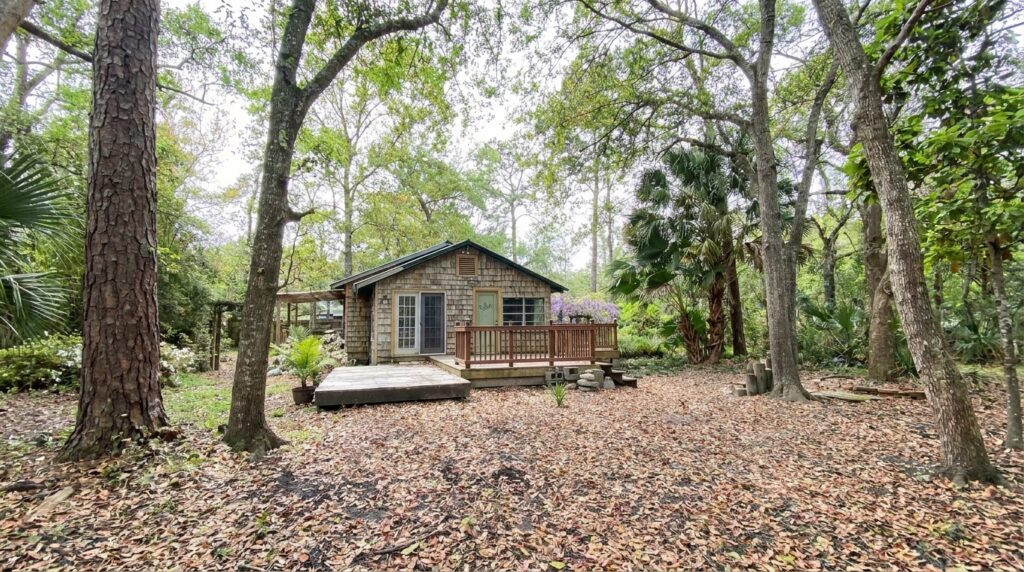
What are the true costs of selling a historic home in Apalachicola, FL, in 2026, including agent commission, repairs required by buyers, and closing costs before I relocate out of state?
You should plan for total selling costs between roughly 8% and 15% of your sale price, covering agent commission, buyer-requested repairs on aging systems, and Florida-specific closing costs like documentary stamp tax and title insurance.
Why This Matters Right Now in Apalachicola
If you own a historic home in Apalachicola and you’re preparing to relocate out of state, you’re sitting in a unique position. Median home values in the 32320 zip code have climbed past $295,000 as of 2026, up from under $180,000 in 2019, per Wallet Investor data. That is roughly 64% appreciation over seven years. You have real equity to protect.
But here is what makes selling a historic home different from selling a newer build in, say, Panama City or Tallahassee. Apalachicola’s National Historic District preserves over 900 historic buildings. Many of the Victorian residences built by lumber magnates still line 5th and 6th Streets. That architectural character is your home’s greatest asset and its most expensive liability when it comes time to sell. Buyers love the charm. They also love asking for $20,000 in repair credits.
With 13 years of experience on this coast and over 300 closed transactions, I can tell you that the sellers who walk away with the most money are the ones who understand every line item before they list. So let me walk you through every dollar.
Agent Commission Costs When Selling in Apalachicola
Your biggest single expense will be real estate agent commission. Following the NAR settlement that took effect in August 2024, commissions are no longer standardized, but here is what the market typically looks like in Apalachicola in 2026:
- Listing agent (seller side): Typically 2.5% to 3% of the sale price
- Buyer’s agent (if you offer compensation): Typically 2% to 3%
- Total commission range: 4% to 6% of the sale price
What does that look like in real dollars? On a $350,000 historic cottage along Market Street, you are looking at somewhere between $14,000 and $21,000 in total commission.
Here is something I always tell my clients: in a market where homes average approximately 144 days on market, according to RealtyTrac data as of 2026, you need an agent who knows how to market a historic property to a niche buyer pool. Apalachicola’s competitiveness score sits at just 6 out of 100. That means buyers have negotiating leverage, and your agent’s skill in positioning the property directly affects your net proceeds. This is not the place to cut corners on representation just to save a percentage point.
Repairs Buyers Will Request on Apalachicola Historic Homes
This is where selling a historic home in Apalachicola gets expensive in ways most sellers do not anticipate. The average year built for homes in this market is 1976, according to RealtyTrac, but that number is skewed by newer construction. If your home sits in the Historic Downtown and Gorrie Square District, along 5th and 6th Streets where the highest concentration of pre-1860 buildings stand, your house could be 150 years old or more.
Here are the repair categories buyers most commonly request, along with typical cost ranges:
- Roof replacement: $8,000 to $25,000 or more (metal or architectural shingle; critical for buyer’s insurance eligibility)
- Electrical rewiring: $5,000 to $15,000 (knob-and-tube or outdated panels are common in pre-1950 homes)
- Plumbing updates: $3,000 to $12,000 (galvanized pipe replacement, possible lead pipe remediation)
- Foundation and pier repair: $5,000 to $20,000 or more (many historic homes are pier-and-beam, and settling is common in coastal soil)
- Termite and wood rot remediation: $2,000 to $10,000 (coastal humidity accelerates wood damage significantly)
- Wind mitigation upgrades: $1,500 to $8,000 (hurricane straps, impact windows; directly affects buyer’s insurance premium)
- Lead paint or asbestos abatement: $2,000 to $8,000 (federal law requires disclosure for all pre-1978 homes)
- HVAC replacement: $4,000 to $10,000
Historic Preservation Rules Add Cost
If your home falls within the Apalachicola Historic District listed on the National Register of Historic Places, certain exterior repairs must comply with the Secretary of the Interior’s Standards. That means you cannot just slap vinyl siding over original clapboard or replace wood windows with aluminum. Compliance with preservation standards can increase repair costs by 20% to 40% compared to a non-historic home.
The realistic total range for buyer-requested repairs or credits on a typical Apalachicola historic home runs $15,000 to $60,000 or more. What I tell my clients is this: get a pre-listing inspection before you even set a price. Knowing your exposure up front lets you price strategically instead of reacting to a buyer’s inspection report with your back against the wall.
Florida Closing Costs for Sellers Leaving Apalachicola
Beyond commission and repairs, you will pay several Florida-specific closing costs. Here is your line-by-line breakdown:
- Documentary stamp tax: $0.70 per $100 of sale price. On a $350,000 sale, that is $2,450. This is a Florida state requirement with no negotiation.
- Title insurance (owner’s policy): Approximately $1,750 to $2,100 on a $350,000 sale. In Florida, the seller customarily pays for the buyer’s owner’s title policy.
- Title search and exam: $200 to $500
- Settlement and closing fee: $300 to $600
- Property tax proration: Prorated to your closing date. Franklin County’s effective property tax rate is approximately 0.82%, per county assessor records.
- Survey: $300 to $600 (often required for older and historic properties)
- Attorney fees: $500 to $1,500 (optional but strongly recommended, especially when you are relocating out of state and cannot easily return for corrections)
- Mortgage payoff: Your remaining balance, plus any prepayment penalties
Your estimated total seller closing costs, excluding commission, will run 1.5% to 3% of the sale price. On a $350,000 sale, that is roughly $5,250 to $10,500.
The Full Picture: Total Costs on a $350,000 Apalachicola Sale
So what does all of this add up to? Here is the honest math:
- Agent commission (4% to 6%): $14,000 to $21,000
- Buyer-requested repairs or credits: $15,000 to $60,000 or more
- Closing costs (1.5% to 3%): $5,250 to $10,500
- Estimated total selling costs: $34,250 to $91,500 or more
That is a wide range, and the biggest variable is the condition of your home. A well-maintained historic cottage with a recent roof and updated electrical might come through with $15,000 in repair credits. A home with deferred maintenance on 5th Street near the Chestnut Street Cemetery that still has original galvanized plumbing and a 30-year-old roof could see repair demands climb past $50,000.
Is the wide range frustrating? Sure. But that is exactly why a pre-listing inspection and a realistic pricing conversation matter so much. With 33 five-star reviews from past clients and a specialization in relocation transactions, I have walked dozens of sellers through this exact process. The ones who plan ahead consistently net more at closing than those who list and hope for the best.
Special Considerations for Out-of-State Relocators Selling in Apalachicola
If you are relocating to a state with income tax, be aware that Florida has no state income tax, but your new home state may tax capital gains from this sale. Consult a CPA before closing.
You will also want to consider:
- Remote closing logistics: Florida allows remote notarization. Your closing attorney can arrange this so you do not need to travel back.
- Carrying costs during the listing period: With homes averaging approximately 144 days on market in Apalachicola, per RealtyTrac data as of 2026, plan for four to five months of mortgage payments, insurance (averaging about $2,575 per year through Citizens, according to Franklin County data), and utilities while your home sits on the market.
- Insurance non-renewal risk: If your homeowners policy lapses or is non-renewed while you are out of state, it can complicate the sale. Keep coverage active through closing.
Frequently Asked Questions
How much is real estate commission in Apalachicola in 2026?
Total commission typically ranges from 4% to 6% of the sale price, split between the listing agent and the buyer’s agent. On a $350,000 historic home, that means $14,000 to $21,000. Since the NAR settlement took effect in August 2024, buyer-side commission is no longer automatically set through the MLS, so this is negotiable.
What repairs do buyers most commonly request on historic homes in Apalachicola?
Roof replacement, electrical rewiring, plumbing updates, foundation and pier repair, and termite or wood rot remediation are the most frequent requests. Wind mitigation upgrades are also common because they directly affect the buyer’s insurance costs in this coastal market.
How much should I budget for buyer-requested repairs on a pre-1900 Apalachicola home?
Realistically, $15,000 to $60,000 or more depending on the condition of your home’s major systems. Homes in the Historic Downtown and Gorrie Square District along 5th and 6th Streets, where the oldest structures stand, tend to face the highest repair demands.
Does selling a historic home in Apalachicola cost more than selling a regular home?
Yes. Historic preservation requirements can increase repair costs by 20% to 40% because exterior modifications often must comply with the Secretary of the Interior’s Standards. Title searches on older properties can also be more complex and expensive.
What are Florida documentary stamp taxes on a home sale?
Florida charges $0.70 per $100 of the sale price. On a $350,000 sale, that comes to $2,450. This is a mandatory state tax and is not negotiable.
Who pays for title insurance in Florida?
In Florida, the seller customarily pays for the buyer’s owner’s title insurance policy. On a $350,000 sale, this typically runs $1,750 to $2,100.
How long does it take to sell a home in Apalachicola in 2026?
Homes in Apalachicola average approximately 144 days on market, per RealtyTrac data as of 2026. The market scores a 6 out of 100 for competitiveness, meaning buyers have significant negotiating leverage and sellers should plan for an extended timeline.
Can I close on my Apalachicola home remotely after I relocate?
Yes. Florida allows remote online notarization, so your closing attorney can arrange for you to sign documents electronically from your new location without traveling back to Franklin County.
What are the property tax implications of selling in Franklin County?
Franklin County’s effective property tax rate is approximately 0.82%, per county assessor records. Your taxes will be prorated to the closing date, meaning you pay only for the portion of the year you owned the home.
Should I get a pre-listing inspection before selling my historic home?
Absolutely. A pre-listing inspection on a historic Apalachicola home typically costs a few hundred dollars and gives you full visibility into what buyers will find. It lets you price accurately, make strategic repairs in advance, or prepare for negotiation rather than being caught off guard.
The Bottom Line
Selling a historic home in Apalachicola before you relocate out of state requires honest planning. Between agent commission, buyer-requested repairs on aging systems, and Florida closing costs, you should expect total selling costs in the range of 8% to 15% or more of your sale price, depending heavily on your home’s condition. The single best thing you can do is understand those numbers before you list, not after you are under contract and negotiating from 1,200 miles away. I have lived on this coast since my family moved here in 1968, and I have helped sellers through over 300 transactions. If you are thinking about listing your Apalachicola home and need a clear, no-pressure breakdown of what the numbers will look like for your specific property, call me at 850-653-7893. I would rather have an honest conversation than make a sale, and that is exactly what you deserve before a move this big.