Oyster Season Returns: What It Means for St. George Island Investors
October 8, 2026 by Melissa Chandler
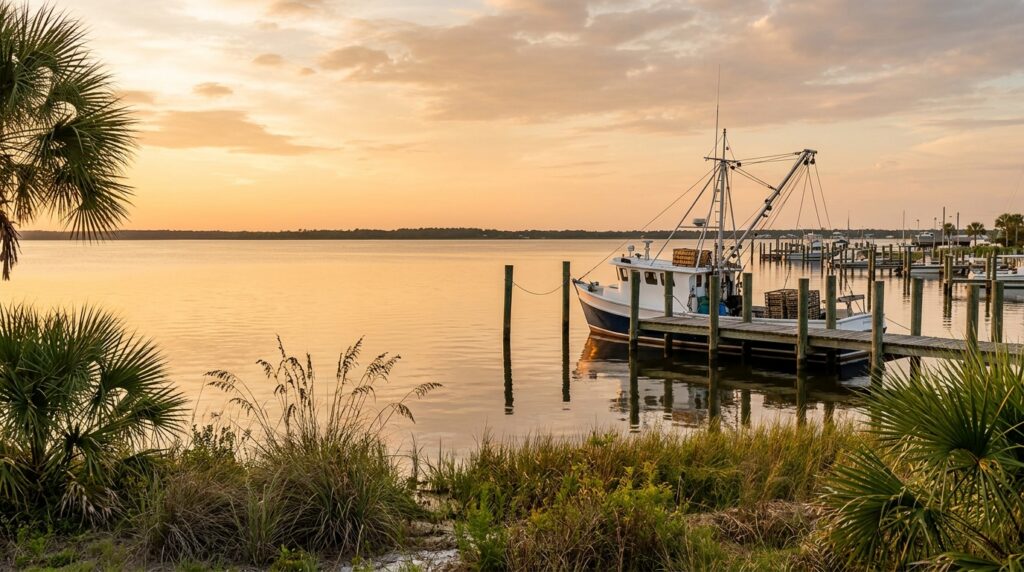
What does the return of Apalachicola Bay’s oyster season mean for St. George Island real estate investors in 2026?
The October 2026 oyster season reopening signals a healthier bay ecosystem, extended tourist interest through winter months, and stronger shoulder-season rental demand for St. George Island investment properties.
Why This Matters Right Now on St. George Island
I grew up on this coast. My family moved to St. George Island in 1968, when only a handful of families lived here. I watched the oyster industry define this region’s identity for decades, and I watched it go quiet when Apalachicola Bay closed to harvesting in 2020. That closure was not just an environmental story. It was an economic and cultural one that rippled through every restaurant, every rental property, and every visitor’s experience on the Forgotten Coast.
Now, as of October 1, 2026, the bay is open again for a five-month commercial and recreational harvest season running through February 28, 2027, according to the Florida Fish and Wildlife Conservation Commission oyster management. If you are evaluating St. George Island homes for sale as an investment, this reopening changes the math on shoulder-season revenue in ways worth understanding before you make your move.
How the Oyster Season Reopening Affects St. George Island Rental Demand
The traditional vacation rental calendar on St. George Island peaks in summer, with bookings tapering off in the fall. What I tell investors is that October through February has historically been the softest booking window for most island properties. The return of oyster season introduces a powerful draw during exactly those months.
Visitors come to Apalachicola and St. George Island for fresh oyster dining, waterfront experiences, and the authentic, un-commercialized character of the Forgotten Coast. Oyster festivals, raw bars like Paddy’s on the island, and the broader culinary tourism scene all benefit when local harvest is active and fresh product is available.
What does that mean for your investment property? It means higher occupancy during months when your competition across other Florida beach markets goes dormant. Current 2026 listing data shows St. George Island vacation rentals generating impressive gross incomes. One active listing reports $126,000 in gross rental income so far in 2026, per Florida Forgotten Coast Homes data. Another bayfront property has $119,410 in gross rental income already on the books as of July 12, 2026. These figures reflect strong summer performance, but extended shoulder-season demand from oyster tourism could push annual totals even higher.
So how much of a difference can a few extra bookings in November or January actually make? For a property already performing at that level, even modest occupancy gains during off-peak months can add meaningful revenue without any additional capital investment.
What Happened to the Oysters and Why the Comeback Matters
You cannot fully understand the investment opportunity without understanding the backstory. Apalachicola Bay was once Florida’s oyster capital. The fishery represented a significant share of national commercial oyster production, according to FWC records. Then came a dramatic collapse. A Fish and Wildlife Conservation analysis found that suitable oyster habitat in the bay dropped from roughly 10,000 acres historically to just 500 acres, a 95% decline.
The bay closed to all harvesting in 2020. Since 2019, over $38 million has been invested in restoration projects, funded through sources including Triumph Gulf Inc. (which disperses Deepwater Horizon oil spill settlement funds), Florida State University, and the Pew Charitable Trusts, according to FWC oyster season updates and CBS News reporting. State conservation staff estimate an additional $30 million to $55 million per year is needed to reach full recovery goals.
The January 2026 season was the first reopening in five years, and FWC officials called it a success at their commission meeting, with more than 4,200 bags harvested. For the current October 2026 season, three reefs meet the ecological threshold of 400 bags of legal-sized oysters per acre: RESTORE Peanut Ridge, RESTORE Cat Point Spur, and NFWF Cat Point, per FWC data. The commercial harvest limit has been reduced from 31 bags to 19 bags per oysterman, and 127 recreational permits were distributed through a lottery.
This is a measured, science-based comeback. And for you as an investor, a healthy bay ecosystem directly supports the natural beauty, fishing access, and cultural authenticity that make St. George Island properties valuable.
Where St. George Island Real Estate Stands for Investors in 2026
Having closed over 300 transactions and spent 13 years working this market, I can tell you that St. George Island real estate has never been a commodity play. It is a scarcity play. This is a 28-mile barrier island with no high-rise condos, no chain restaurants, and a state park protecting its entire eastern end. Limited development keeps inventory tight and values resilient.
Here is where things stand right now. As of August 2026, St. George Island had 113 active listings with an average of 155 days on market and a median list price of $1,200,000, per Hitchcock Properties data. The average price per square foot sits at roughly $609 to $621, depending on the source. The sale-to-list ratio holds at approximately 95%, according to Anchor Realty Florida, which tracks well with recent years.
Entry Points Across the Island
Your investment strategy depends on where on the island you buy and what you pay:
- Gulf Beaches / The Village (West End): Older homes from the 1980s and 1990s offer the most accessible entry. Properties range from around $525,000 for renovation candidates to $875,000 for turnkey five-bedroom homes, with premium estates climbing past $3 million. This is the walkable, commercial heart of the island, with spots like the Blue Parrot Oceanfront Café, Aunt Ebby’s Ice Cream, and Mango Mike’s drawing foot traffic.
- Mid-Island / The Bluffs: Elevated ridge lots where you can see both the Gulf and Apalachicola Bay from a second-floor deck. Properties here list north of $2 million. A listing on Canopy Lane, for example, is priced at $2,195,000 for a 3-bed, 3.5-bath home.
- St. George Plantation (East End): Gated community with 24-hour security, deeded Gulf beach access, community pools, a clubhouse, bayfront dock, and a private 3,300-foot airstrip. One Plantation property shows a projected 2026 income of $100,000. Another brought in $70,301 in rental revenue over the past 365 days.
The average home on St. George Island currently sells for about 6% below list price and goes pending in around 121 days, per recent MLS data. That is a buyer’s market with room to negotiate, which is not something you hear me say often about this island.
How a Healthy Bay Strengthens St. George Island Property Values
You might wonder whether oyster season alone can move the needle on property values. The answer is that it is not about oysters in isolation. It is about what the oyster comeback represents: a functioning, recovering ecosystem that supports fishing, wildlife, water quality, and the overall environmental health of Apalachicola Bay and St. George Sound.
FWC approved a revised oyster management plan at their November 2025 Commission Meeting, establishing annual seasons based on oyster abundance. This multi-year, multi-agency approach, known as the Apalachicola Bay System Initiative, creates regulatory stability and long-term environmental stewardship. For investors, that kind of institutional commitment to ecosystem health is exactly what protects the natural assets that drive demand for St. George Island homes for sale.
The island’s commitment to conservation and limited development has always helped maintain property values, and a thriving bay only reinforces that story.
What Smart Investors Should Consider Before Buying on St. George Island
If you are seriously evaluating St. George Island real estate, here is what I want you to think about:
- Shoulder-season revenue potential: The oyster season runs October through February. Properties positioned to capture culinary tourism, fishing enthusiasts, and “quiet coast” travelers during these months will outperform those marketed purely as summer beach rentals.
- Property type matters: Bayfront homes with dock access on Bayside Drive or in Mariner Harbor tap directly into the fishing and oystering culture. Beachfront homes on the Gulf side appeal to traditional vacationers. Both can perform well, but they attract different guest profiles.
- Management and marketing: A property generating $64,812 in gross rental income in its first partial year on the short-term rental market (as of July 12, 2026, per listing data) tells you that professional management and strategic positioning make the difference.
- Negotiate from strength: With homes selling at roughly 95% of list price and averaging over 120 days on market, you have leverage that did not exist two or three years ago.
With 33 five-star reviews and recognition as a top 6% Berkshire Hathaway HomeServices agent nationwide, I take this work seriously because my clients’ outcomes are my reputation. This island is my home, and I would rather have an honest conversation about what a property can and cannot do than make a sale that does not serve you.
Frequently Asked Questions
When does the 2026 oyster season open on Apalachicola Bay?
The fall 2026 harvest season opened on October 1, 2026, and runs through February 28, 2027, according to FWC. Harvest days are Monday through Friday. Three reefs are open: Cat Point, Cat Point Spur, and Peanut Ridge. This is only the second season since the bay’s five-year closure ended in January 2026.
How much rental income can a St. George Island investment property generate?
Rental income varies widely by location and property size. Current 2026 listing data shows top-performing properties generating $100,000 to $126,000 in gross rental income year-to-date, per Florida Forgotten Coast Homes data as of mid-2026. Newer properties entering the short-term rental market have reported over $64,000 in their first partial year.
What is the median home price on St. George Island in 2026?
As of August 2026, the median list price on St. George Island is $1,200,000, with an average price per square foot of roughly $609 to $621, per Hitchcock Properties and other MLS sources. Prices range from around $69,000 for vacant lots to over $5.4 million for luxury beachfront estates.
Why did Apalachicola Bay close to oyster harvesting?
The bay closed in 2020 due to severe declines in oyster populations and habitat loss. Suitable oyster habitat dropped by approximately 95%, from an estimated 10,000 acres historically to just 500 acres, according to a Fish and Wildlife Conservation analysis. Over $38 million in restoration investment since 2019 has supported the recovery.
How does oyster season affect tourism on St. George Island?
Oyster season extends visitor interest beyond the traditional summer peak into October through February. Fresh oyster dining, the Forgotten Coast’s culinary reputation, and the authentic fishing-village character of nearby Apalachicola draw food-focused tourists and weekend visitors during months that would otherwise be quiet for rental properties.
What are the best neighborhoods for investment on St. George Island?
Gulf Beaches on the west end offers the most accessible price points, starting around $525,000. Mid-island properties in The Bluffs command premium prices above $2 million. St. George Plantation on the east end provides gated amenities and strong rental performance, with some properties projecting $95,000 to $100,000 in annual rental income.
Are St. George Island homes selling below asking price in 2026?
Yes. The current sale-to-list ratio on St. George Island is approximately 95%, according to Anchor Realty Florida data. The average home sells for about 6% below list price and takes around 121 to 155 days to go pending, creating a negotiating environment that favors buyers.
Can I get a recreational oyster permit for Apalachicola Bay?
The application period for the Apalachicola Bay Recreational Opportunity Permit closed on July 31, 2026. Only 127 permits were available, distributed through a lottery, per FWC. Recreational permit holders may harvest one bag for the season.
What makes St. George Island different from other Florida beach markets?
St. George Island has no high-rise condos, no chain hotels beyond one, and no franchise restaurants. The 28-mile barrier island includes Dr. Julian G. Bruce St. George Island State Park on its eastern end. Limited development, environmental conservation commitments, and a rural, community-driven character set it apart from more commercialized Gulf Coast destinations.
How long has Melissa Chandler been selling real estate on St. George Island?
I have been in real estate for over 13 years, with more than 300 closed transactions and a perfect 5-out-of-5 average review rating from 33 past clients. My family has been on this island since 1968, and my father was a realtor on this coast before me. I specialize in investment properties, second homes, relocation, and income-generating properties along the Forgotten Coast.
The Bottom Line
The return of oyster season to Apalachicola Bay is more than a feel-good environmental story. It is a tangible economic catalyst for St. George Island, extending the tourist calendar into fall and winter months and reinforcing the cultural identity that draws visitors and buyers to this coast. For investors evaluating St. George Island market updates, the timing is worth paying attention to: a buyer-friendly market, strong demonstrated rental incomes, and a recovering ecosystem that supports long-term property values.
If you are thinking about investing on St. George Island, I would love to walk you through the numbers on specific properties and help you understand what each neighborhood delivers. Give me a call at 850-653-7893 or visit me at 140 W 1st Street on the island. This is my home, and I am happy to have an honest conversation about whether it is the right fit for yours.
*Melissa Chandler, Realtor, Melissa Chandler Real Estate. Florida License #3280547. All market data referenced is sourced from publicly available MLS records, FWC publications, and listing-reported income figures as noted. Rental income projections are not guaranteed and vary by property, management, and market conditions.*