Beach Erosion on St. George Island: Is the Western End Safe to Buy in 2026?
September 8, 2026 by Melissa Chandler
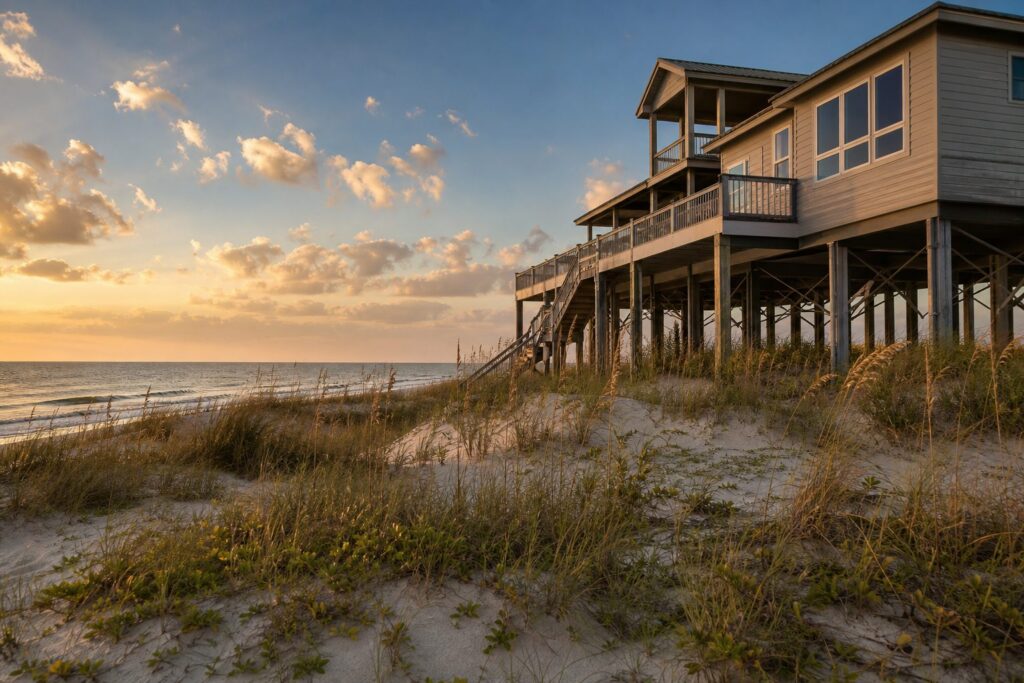
How much does beach erosion on St. George Island affect property values, and is it safe to buy a second home near the western end in 2026?
Beach erosion is real on St. George Island, especially toward the western end, but strict building codes, elevated construction, and limited inventory have kept property values remarkably resilient. Buying in 2026 can be safe if you buy smart.
Why This Matters Right Now for St. George Island Buyers
If you’re an eco-conscious buyer considering a second home on St. George Island, you’ve probably spent a few sleepless nights reading about barrier island erosion. I understand that concern. My family moved to this island in 1968, and I’ve watched the shoreline shift, reshape, and recover my entire life. The worry is valid, but the full picture is more nuanced than the headlines suggest.
Right now, the St. George Island real estate market is in a stabilization phase. The median listing price sits at approximately $1.3 million, while actual sales are closing closer to $935,000, about 95% of list price. Homes are spending more than 100 days on market, which means you, as a buyer, have more negotiating leverage than you’ve had in years. Price per square foot has decreased 14% year-over-year. That combination of softened prices and legitimate erosion concerns creates a decision point: is this a buying opportunity disguised as a risk, or a risk disguised as a buying opportunity?
How Beach Erosion on St. George Island Actually Affects Property Values
Here’s what I tell my clients when they ask about erosion and property values: the data tells a more complex story than you might expect.
According to USGS shoreline change data for Florida, the average long-term erosion rate for west Florida barrier islands is approximately 0.8 meters per year, which is considered low compared to other Gulf Coast states, primarily because wave energy is lower in this region. More than 50% of the shoreline is experiencing some degree of erosion, but the island’s limited inventory, zoning protections, and environmental restrictions have consistently helped maintain property values.
So why haven’t values collapsed? Three reasons:
- Scarcity. There are only so many homes on a 28-mile barrier island with no high-rise condos, no chain restaurants, and no traffic lights. What gets built here gets built carefully, and that restraint is baked into every property’s value.
- Demand. The vacation rental market generates $100,000 to $126,000 or more in gross annual rental income for premium properties. That income floor supports valuations even when erosion concerns surface.
- Building codes. Post-hurricane building standards require elevated pilings, wind-rated construction, and flood-zone compliance. A well-built home on St. George Island is engineered to withstand what the Gulf throws at it.
One couple I worked with in 2023 nearly walked away from a Gulf-front property on the central island after reading about Hurricane Dennis. After we reviewed the home’s construction date, elevation certificate, and insurance costs together, they realized the property had been engineered specifically for storm resilience. They closed, rented it out that summer, and generated enough income to cover nearly half their annual carrying costs in a single season.
The Western End of St. George Island: What Eco-Conscious Buyers Need to Know
Now let’s talk specifically about the western end, because it does carry a different erosion profile than the rest of the island.
The Science Behind Western End Erosion
Research published in the journal *Geomorphology* by Priestas and Fagherazzi found that the western half of St. George Island experienced increased subaerial erosion due to lower foredune elevations compared to the eastern half. After Hurricane Ivan, scientists measured elevation losses between 0.3 to 0.7 meters over a 40-meter-wide stretch of back-beach on the western side.
The most dramatic example? The Cape St. George Lighthouse, originally constructed in 1852 more than 500 yards inland from the Gulf. By 1990, erosion had left it vulnerable. It toppled into the water on July 10, 2005. That’s a sobering visual for anyone considering a western end purchase.
Why the Western End Still Attracts Buyers
The western end is anchored by The Plantation on St. George Island, a private, gated 1,200-acre community featuring two pools, tennis and pickleball courts, a fitness center, and a private airstrip. These are multimillion-dollar Gulf-front homes with amenities you won’t find elsewhere on the Forgotten Coast.
Does erosion risk exist here? Yes. Is it manageable with the right approach? Also yes. Having closed over 300 transactions along this coast in 13 years of practice, I can tell you that the buyers who succeed on the western end are the ones who go in with clear eyes, not the ones who ignore erosion, and not the ones who let fear make the decision for them.
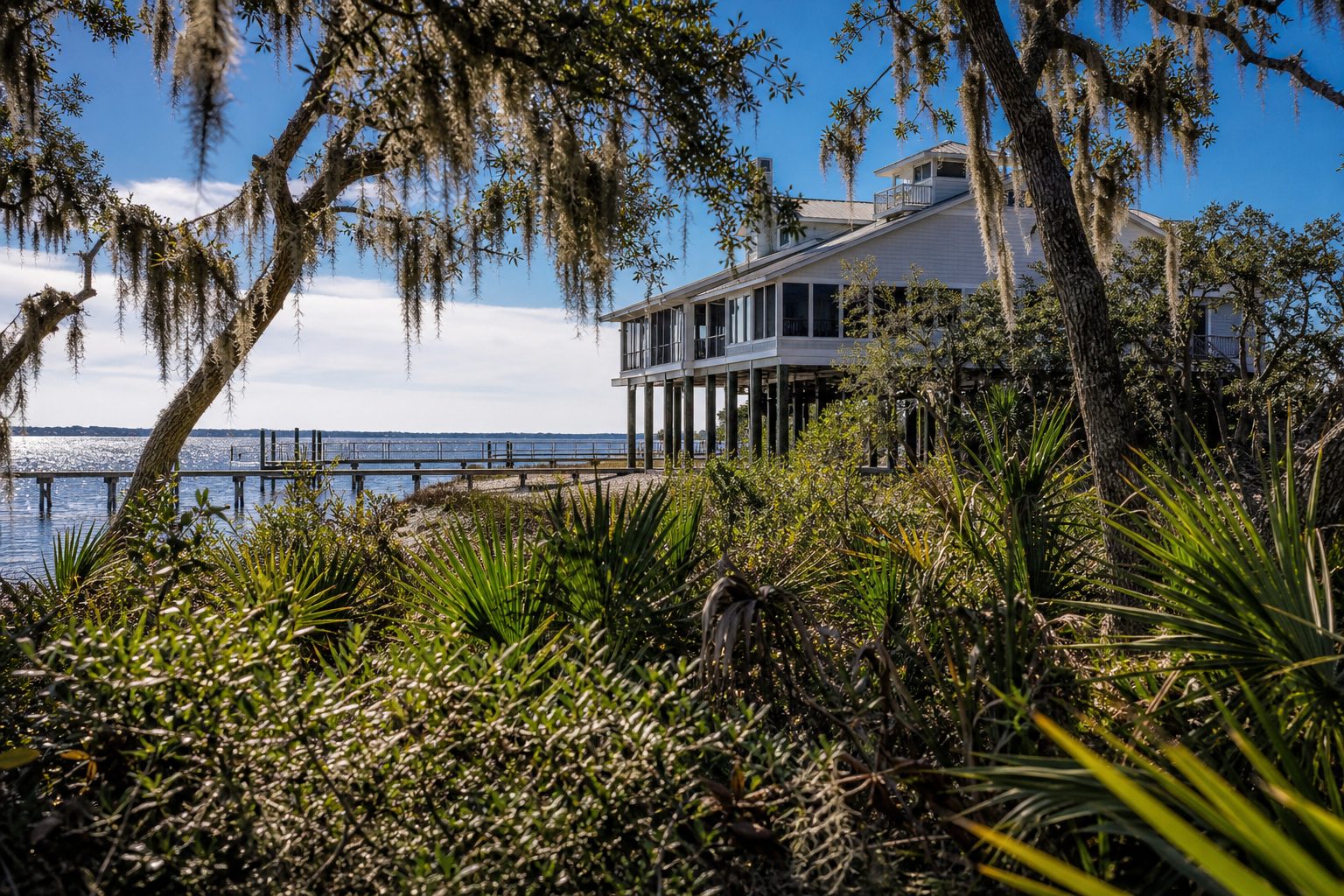
What Eco-Conscious Buyers Should Evaluate Before Buying on St. George Island in 2026
If you care about environmental stewardship, and the fact that you’re reading this tells me you do, you’re actually the ideal buyer for this island. Here’s why: the same principles that protect the ecosystem also protect your investment.
Dune Health Is Your Best Insurance Policy
Research on post-hurricane recovery on St. George Island found that secondary dunes recovered at an average linear rate of 3 to 4 centimeters per month in the presence of vegetation. In the absence of vegetation, dune growth was inhibited and erosion increased. For you, this means:
- Look for properties with intact, vegetated dune systems between the home and the Gulf. Native sea oats, beach morning glory, and salt-tolerant grasses aren’t just pretty. They’re your front line of defense.
- Avoid properties where dunes have been flattened by foot traffic, construction, or previous storms without subsequent restoration.
- Support dune restoration programs. Organizations like the St. George Island Volunteer Turtlers work year-round to protect not just nesting sea turtles but also the dune habitats that shelter them, and your property.
Infrastructure Improvements Working in Your Favor
Franklin County is currently executing the St. George Island Stormwater Improvements project, funded by a RESTORE Act Direct Component grant from the U.S. Department of the Treasury. This project extends, enhances, and constructs stormwater drainage facilities across the island’s commercial and residential areas. For eco-conscious buyers, this is a signal that government investment in the island’s resilience is active and ongoing.
Insurance and Financial Realities
You should know that the entire island sits in a FEMA-designated 100-year floodplain. Flood insurance is mandatory, and premiums have been rising under FEMA’s Risk Rating 2.0 methodology. I always tell clients to get a preliminary insurance quote before making an offer, because that number will affect your total carrying cost.
On the upside, Florida has no state income tax, and strong rental income can significantly offset your costs. A recent client who purchased a bay-side property near W. Bay Shore Drive was initially nervous about insurance premiums, but after penciling out the rental income projections against total annual costs, they realized their net out-of-pocket was less than half what they’d expected.
How to Buy Smart on St. George Island’s Western End in 2026
If you’ve weighed the erosion data and still feel drawn to the western end, here’s how to protect yourself:
- Order an independent coastal survey. Don’t rely solely on the seller’s disclosures. A licensed coastal engineer can assess current shoreline position relative to the structure and project future retreat.
- Review the elevation certificate carefully. Homes built higher above base flood elevation carry lower insurance premiums and greater storm resilience.
- Prioritize newer construction. Post-2005 homes on St. George Island were built under significantly upgraded building codes that reflect lessons learned from Hurricanes Ivan and Dennis.
- Consider bay-side properties. Bayfront homes for sale in St. George Island have shown strong appreciation, with values increasing 8.2% year-over-year in 2025, and well-priced bay-side properties are closing in under 35 days. You get water views, lower erosion risk, and faster appreciation.
- Think long-term stewardship. Maintain native vegetation, respect dune walkovers, and participate in local conservation efforts. Protecting the ecosystem protects your property value.
Frequently Asked Questions About Beach Erosion and St. George Island Real Estate
Is St. George Island losing beach every year?
More than 50% of west Florida barrier island shoreline is experiencing some degree of erosion. The average long-term erosion rate is approximately 0.8 meters per year, which is low by Gulf Coast standards. However, erosion is not uniform. The western end tends to experience greater losses due to lower foredune elevations and proximity to tidal inlets.
How much have St. George Island property values dropped because of erosion?
Property values on St. George Island have remained resilient despite erosion concerns. The median sale price over the last 12 months is $962,500. While that represents a 23% decrease from the previous period, market analysts attribute this primarily to interest rate increases and post-pandemic normalization, not erosion specifically.
Are homes on the western end of St. George Island more expensive?
Yes. The Plantation, the gated community on the western end, features multimillion-dollar homes with premium amenities. These properties command higher prices due to their exclusivity, community features, and Gulf-front positioning, even though this area carries somewhat higher erosion risk.
What happened to the Cape St. George Lighthouse?
The lighthouse was built in 1852 more than 500 yards from the Gulf. Over decades, beach erosion gradually moved the shoreline closer until the structure toppled into the water on July 10, 2005. It serves as the most dramatic illustration of long-term western end erosion on the island.
Is flood insurance required on St. George Island?
Yes. The entire island sits within a FEMA-designated 100-year floodplain. Flood insurance is mandatory for all mortgaged properties, and premiums have been increasing under FEMA’s Risk Rating 2.0 methodology. I recommend getting a preliminary quote before making any offer.
Can dunes actually recover after a hurricane on St. George Island?
Research shows that vegetated dunes on St. George Island recover at an average rate of 3 to 4 centimeters per month. Dunes without vegetation recover far more slowly or not at all. This is why maintaining native coastal vegetation is critical for both ecological and property-value reasons.
How much rental income can a St. George Island second home generate?
Premium vacation rental properties on St. George Island are generating $100,000 to $126,000 or more in gross annual rental income, according to current MLS listing data. This income can substantially offset insurance, maintenance, and mortgage costs.
What building codes protect homes on St. George Island from storms?
Post-2005 construction on St. George Island follows upgraded hurricane-resilient building codes, including elevated piling foundations, wind-rated roofing and windows, impact-resistant materials, and strict floodplain compliance. Newer homes are significantly more storm-resilient than older structures.
Is the bay side of St. George Island a better investment than the Gulf side?
For eco-conscious buyers concerned about erosion, bay-side properties offer compelling value. Bayfront home values increased 8.2% year-over-year in 2025, and these properties face significantly less wave-driven erosion. Many buyers are discovering that W. Bay Shore Drive offers stunning sunset views with lower risk.
What government investments are being made to protect St. George Island?
Franklin County is actively executing the St. George Island Stormwater Improvements project, funded by a RESTORE Act grant from the U.S. Department of the Treasury. This project enhances drainage infrastructure across the island’s commercial and residential zones, improving resilience against flooding and storm damage.
The Bottom Line on Buying a Second Home on St. George Island in 2026
Beach erosion on St. George Island is a real, measurable phenomenon, and it’s more pronounced on the western end. But it hasn’t prevented this island from holding its value, attracting committed buyers, and supporting one of the strongest vacation rental markets on the Forgotten Coast. The key is buying with full awareness: get your coastal survey, understand your insurance costs, prioritize properties with healthy dune systems, and think of yourself as a steward of this landscape, not just a homeowner.
With 13 years of experience, over 300 closed transactions, and 33 five-star client reviews, I’ve helped eco-conscious buyers navigate exactly these questions. My family has been on St. George Island since 1968, and I’d rather have an honest conversation about the risks and rewards than make a quick sale. If you’re exploring homes for sale in St. George Island and want someone who knows this coast down to the sand grain, call me at 850-653-7893 or visit my office at 140 W 1st Street on the island. I’m Melissa Chandler with Melissa Chandler Real Estate, and I’m here to help you make this decision with confidence.