Is 2026 a Good Time to Sell Your Home in Franklin County FL
September 9, 2026 by Melissa Chandler
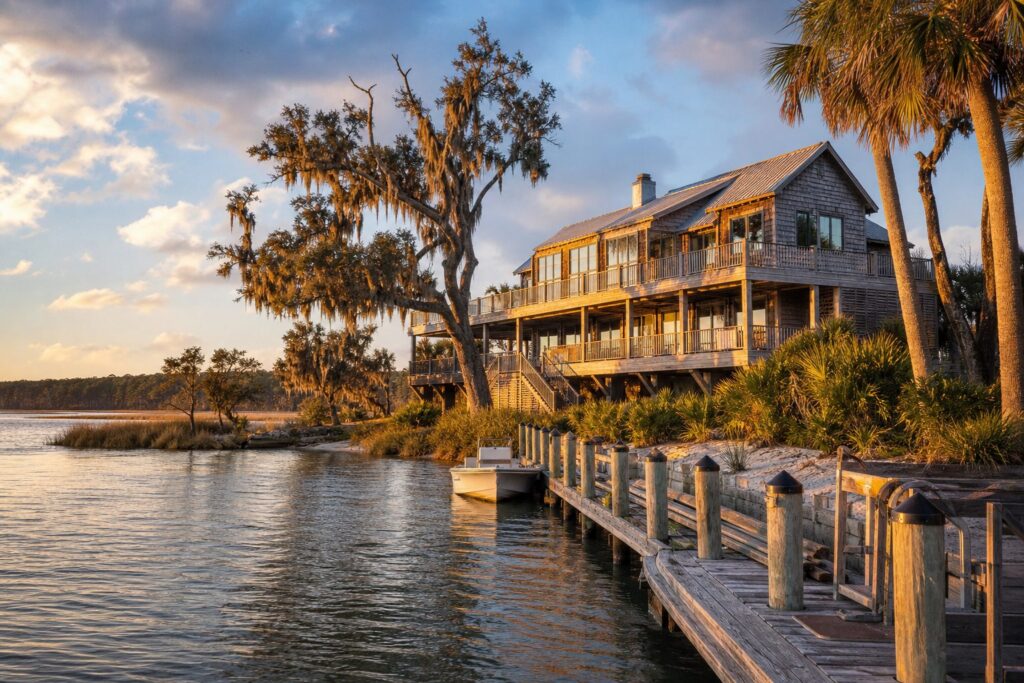
Is 2026 a good time to sell my home in Franklin County, FL before relocating out of state?
Yes, 2026 is a strong window to sell in Franklin County, FL. Home values sit near record highs, buyer demand from retirees and vacation seekers remains steady, and waiting risks more competition from new construction and rising insurance costs.
Why This Matters Right Now for Franklin County Sellers
I’ll be honest with you. If you’re thinking about leaving Franklin County and you own property here, the timing question isn’t just academic. It’s the difference between walking away with strong equity and watching that equity erode.
Right now, the typical Franklin County home is worth approximately $425,681, reflecting about 3.4% annual appreciation over the past five years. That’s real money sitting in your property. But here’s what keeps me up at night for my clients: about 18% of Franklin County listings have already cut their asking price, insurance premiums are climbing, and builders pulled permits for 112 new homes in 2025 alone. That pace of new construction is well above the Florida average.
Having closed over 300 transactions on this coast, and having grown up here since my family moved to St. George Island in 1968, I can tell you this market doesn’t wait for anyone. Let me walk you through what you need to know.
Franklin County Home Values Are Near Record Highs, and That Favors You
The FHFA All-Transactions House Price Index for Franklin County hit 288.17 in early 2024, a record high. Values have continued climbing through 2026, putting you in an enviable equity position if you’ve owned your home for more than a few years.
What does that actually look like in practice? One couple I worked with had purchased their Apalachicola home in 2017. When they decided to relocate closer to grandchildren in Tennessee, they were stunned to learn their home had appreciated by more than 60% in under a decade. That equity became the down payment for a larger home in their new state, with cash left over.
But here’s the part most sellers overlook: Franklin County is expensive against local incomes. The typical home costs about 6.79 times the median household income of $64,105. That’s roughly 38% higher than the Florida real estate norm. What that tells me is we’re in a market where your buyer pool skews toward retirees, second-home purchasers, and tourism investors rather than local wage earners. Pricing correctly from day one is essential, because there aren’t unlimited buyers at every price point in a county of roughly 13,100 people.
So is now the right time to capture that value? The data says yes, but only if you price to the market, not to your hopes.
Insurance Costs in Franklin County Could Get Worse, Not Better
I tell every seller the same thing: insurance is the invisible force reshaping real estate on the Forgotten Coast. It’s the single biggest factor restructuring Florida real estate in 2026, and it’s not slowing down.
Citizens, Florida’s insurer of last resort, now covers 115 homes in Franklin County at an average premium of about $2,575 per year, which works out to roughly $215 per month. When you add that to a mortgage payment at today’s approximately 6.52% rate, the monthly cost to own in Franklin County runs near $2,372 before property taxes.
Why does this matter for your sale? Because every buyer walking through your door is now running insurance quotes before they make an offer, not after. Premiums that have doubled or tripled since 2022 in many coastal Florida markets are shrinking what buyers can afford, and that directly affects what they’ll offer you.
Selling now, before another round of potential premium increases, means you’re selling into a market where buyers can still make the numbers work. Wait a year or two, and that math could change dramatically.
How to Coordinate Selling in Franklin County While Buying Out of State
This is where I see the most stress with relocating homeowners, and after 13 years in this business, I’ve helped people navigate it more times than I can count. Here’s what works.
Sell First, Then Buy
For most of my Franklin County clients relocating out of state, I recommend selling first. You’ll know exactly how much equity you’re working with, you won’t be juggling two mortgages, and you’ll be a stronger buyer in your destination market. In a county where the buyer pool is naturally smaller, being flexible on your closing timeline can also make your listing more attractive.
Bridge the Gap Strategically
One recent seller on St. George Island was nervous about being temporarily “homeless” between selling and closing on her new place in North Carolina. We timed her listing for peak season, went under contract in 17 days, and negotiated a 45-day close with a two-week leaseback. She moved exactly once instead of twice.
Don’t Forget the Tax Angle
Florida has no state income tax, which means no state capital gains tax on your sale. If you’ve lived in your primary residence for at least two of the last five years, you can exclude up to $250,000 in gains (or $500,000 if married filing jointly). Once you relocate to a state with income tax, you lose that Florida advantage. This alone is a compelling reason to sell while you’re still a Florida resident.
Franklin County’s Buyer Pool Is Specific, and That Works in Your Favor
You might worry that Franklin County’s small population means nobody is buying. The opposite is true, but you need to understand who your buyer is.
Between 2022 and 2023, Franklin County saw 353 households move in against 298 moving out, a net gain of 55 households. The county continues attracting retirees, vacation-home seekers, and investment property investors drawn to tourism. The preserved natural areas, rivers, state parks, and island lifestyle that define Apalachicola, St. George Island, and Carrabelle aren’t being replicated anywhere else on the Florida Gulf Coast.
About 28.4% of Franklin County residents are 65 or older, nearly seven percentage points above the Florida average. That demographic pattern tells you something important: this market draws people who are choosing it for lifestyle, not commute distance. When I’m marketing St. George Island homes for sale or properties in Apalachicola, I’m reaching a national audience of people dreaming about this exact coast.
With 33 client reviews at a perfect 5-out-of-5 rating and recognition as a top 6% agent nationwide within Berkshire Hathaway HomeServices, I’ve built a marketing approach specifically designed for Franklin County’s unique buyer pool. Your home isn’t competing with suburban inventory in Jacksonville or Tallahassee. It’s competing for the heart of someone who has been dreaming about coastal Florida living.
What Happens If You Wait Until 2027 or Later
Here’s the honest answer: nobody has a crystal ball, including me. But I can show you the trends that concern me.
- New construction is accelerating. At 9.0 permits per 1,000 residents, Franklin County’s building pace is well above the statewide average. Every new home is competition for your resale listing.
- Insurance costs show no signs of retreating. Private insurers have been pulling back from coastal Florida markets for years, and legislative reforms are still working their way through the system.
- Statewide, inventory has roughly doubled from a 2-month supply in 2022 to about 5.2 months in 2026. Florida’s housing market is normalizing, and buyers have more leverage than they did two years ago.
- Overvaluation creates risk. When homes cost nearly 7 times the local median income, the market becomes vulnerable to any economic disruption.
The Florida Realtors’ chief economist has noted that the next several months could determine whether conditions stabilize or soften later in 2026. Selling while the market is stable beats trying to time the very top.
Frequently Asked Questions About Selling in Franklin County FL in 2026
Is Franklin County FL a buyer’s or seller’s market in 2026?
Franklin County reads as tight for buyers but expensive against incomes. The Momentum Market Score rates it 21 out of 100, meaning values are stretched. You can still sell well, but only with accurate pricing. About 18% of listings have already cut their price, which tells you that overpriced homes are sitting.
How long does it take to sell a home in Franklin County FL?
In a market this small, realistic expectations matter. Franklin County has roughly 13,100 residents, so your buyer pool is thinner than metro areas. Well-priced, well-presented homes in desirable locations like St. George Island and Apalachicola can move within two to four weeks. Overpriced listings can linger for months.
Will I pay capital gains tax when I sell my Franklin County home?
If you’ve lived in the home as your primary residence for at least two of the last five years, you can exclude up to $250,000 in capital gains ($500,000 for married couples) from federal taxes. Florida has no state income tax, so there’s no state-level capital gains tax either. The Consumer Finance Protection Bureau provides detailed guidance on the financial considerations of homeownership and selling.
Should I sell my Franklin County home before or after relocating?
I almost always recommend selling first. You’ll have a clear picture of your equity, avoid carrying two mortgages, and negotiate from strength in your new market. Leaseback agreements can bridge the gap so you only move once.
How do rising insurance costs affect my home sale in Franklin County?
They directly impact what buyers can afford to offer. With average Citizens premiums around $2,575 per year and rising, buyers factor those costs into their purchase calculations. Transparent disclosure of your current insurance costs can actually build buyer confidence.
What is the typical home value in Franklin County FL in 2026?
The typical Franklin County home is valued at approximately $425,681, reflecting about 3.4% annual appreciation over the past five years. Waterfront properties on St. George Island and in Apalachicola command premiums above this average.
Do I lose my Florida homestead exemption if I relocate out of state?
Yes. Florida’s Save Our Homes portability provision lets you transfer up to $500,000 of accumulated homestead exemption savings to a new Florida home, but that benefit disappears entirely when you move out of state.
Is new construction hurting resale values in Franklin County?
Builders pulled 112 new home permits in 2025, a rate of 9.0 permits per 1,000 residents, which is well above the Florida average. Each new home adds competition for resale sellers, particularly in the mid-price range.
Who is buying homes in Franklin County FL right now?
Your likely buyer is a retiree, vacation-home purchaser, or tourism investor. Net migration remains positive, with 353 households moving in versus 298 moving out between 2022 and 2023. The Forgotten Coast lifestyle draws a national audience.
Can I rent out my Franklin County home instead of selling?
You can, but consider the complications: managing a rental from out of state, rising insurance costs that eat into cash flow, and the risk that values plateau while you’re holding. For most relocating homeowners, selling captures peak equity and simplifies the transition.
The Bottom Line on Selling Your Franklin County Home in 2026
You’re sitting on strong equity in a market that still favors sellers who price accurately. Home values near record highs, positive migration trends, and Florida’s no-income-tax advantage all point toward 2026 being a smart year to sell before relocating. But the window isn’t unlimited. New construction, rising insurance costs, and stretched affordability are real headwinds.
I grew up on this coast. My family has been part of the St. George Island community since 1968, and I’ve spent 13 years helping homeowners navigate exactly the decision you’re facing right now. If you’re considering selling your Franklin County home before an out-of-state move, give me a call at 850-653-7893 or reach out through Melissa Chandler Real Estate on St. George Island. I’d rather have an honest conversation about your situation than make assumptions about your timeline.