Buyer Financing Types Closing on St George Island Vacation Rentals in 2026
November 13, 2026 by Melissa Chandler
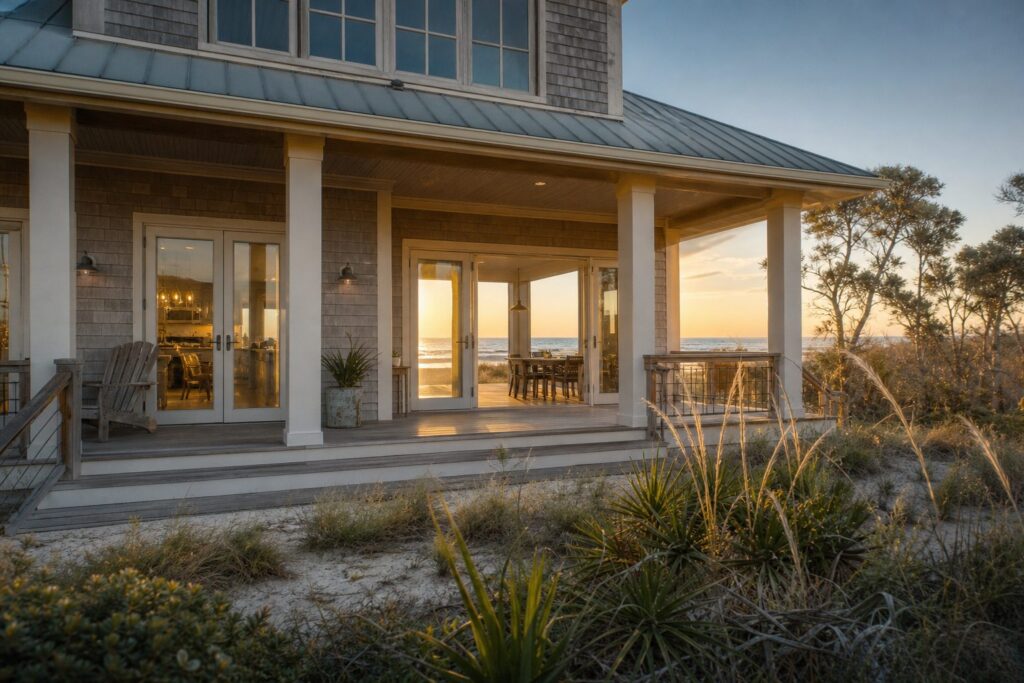
What buyer financing types are actually closing on St. George Island vacation rental properties in 2026, and how does that affect my listing strategy?
Cash dominates St. George Island closings at roughly 50 to 60% of transactions, followed by jumbo conventional loans and a growing share of DSCR (debt service coverage ratio) investor loans. If you are selling, your listing strategy needs to cater to all three to maximize your buyer pool.
Why This Matters Right Now on St. George Island
Here is the honest truth. St. George Island is not behaving like a normal residential market, and it has not for a while. With a median home price of approximately $1,034,105 as of July 2026, according to current market data, and with nearly 70% of the island’s housing units classified as vacant (reflecting vacation and second-home use, per Census data), almost every transaction here carries an investment or second-home component. That changes who your buyers are, how they pay, and how long it takes to close.
I have been selling real estate on this coast for over 13 years, and my family has been on St. George Island since 1968. The financing landscape in 2026 looks different from even two or three years ago. Rates are sitting around 6.52% on a 30-year conventional note, insurance complexity on a barrier island keeps rising, and the buyers who are actually closing have adapted. If your listing strategy has not adapted alongside them, you are leaving money and time on the table.
How Cash Buyers Are Shaping St. George Island Real Estate
Cash is king on this island, and it is not particularly close. The cash buyer share across Franklin County runs between 40% and 55%, per current county transaction data, and on St. George Island itself, where price points routinely clear a million dollars, that share skews even higher. The average loan-to-value ratio across Franklin County is just 15.33%, according to county mortgage data. That is an extraordinarily low figure, and it tells you that even buyers who do finance are putting massive amounts of equity into their purchases.
So why does cash dominate here? A few reasons stack up:
- Price points exceed conforming loan limits. Average sale prices on the island have ranged from roughly $549,000 to $1,483,000 week to week throughout 2026. Most of those figures push buyers well past conventional conforming limits and into jumbo territory.
- Second-home and investment classifications add friction. Lenders require 20% to 30% down on non-primary residences, with higher rates and stricter debt-to-income ratios.
- Appraisal risk in a thin-comp market. With only a handful of closings per month, island-wide medians bounce around wildly. A property on Sailfish Drive and a cottage on Bledsoe Street are not comparable, but they both feed the same median. Cash buyers eliminate that appraisal contingency entirely.
What does this mean for your listing? If you are pricing your home on St. George Island, you need to understand that cash buyers expect a frictionless transaction, and they expect to negotiate. Homes across the Forgotten Coast are selling for approximately 94.5% of their list price on average, per regional MLS data from mid-2026. Cash buyers know the math. Price honestly and you will attract them. Overprice and they will wait you out.
Which Financed Buyers Are Actually Getting to Closing on St. George Island
Not every buyer arrives with a cashier’s check. Here is where the financed closings are actually happening, and knowing this matters more than most sellers realize.
Jumbo Conventional Loans
This is the most common financing path for buyers who do not pay cash. Jumbo loans cover purchase prices above conforming limits and typically require 20% to 30% down, strong cash reserves, and excellent credit. What I see consistently is that jumbo-qualified buyers are serious, well-prepared, and willing to close, but they need 45 to 60 days and a clean appraisal. If your property is priced accurately against recent sub-area comps (not island-wide medians), a jumbo buyer can close smoothly.
DSCR (Debt Service Coverage Ratio) Loans
This is the financing type that has grown most noticeably in 2026. DSCR loans qualify buyers based on the property’s rental income rather than the borrower’s personal income. For a market where buyers evaluate properties primarily on rental yield, this is a natural fit. But here is the catch: DSCR lenders require documented rental history. If your property has been generating vacation rental income and you cannot produce the records to prove it, you lose this entire buyer segment.
Conventional Conforming and Portfolio Lending
Conforming loans only work for lower-priced St. George Island properties, typically smaller cottages in the $375,000 to $500,000 range. Portfolio loans from local and regional banks offer more flexible underwriting but come with higher rates. Both represent a smaller slice of closings, but they exist, particularly along the mid-island corridor where properties like those on E. Gulf Beach Drive have listed in the $479,000 to $685,000 range, according to 2026 MLS data.
Why Rental Income Documentation Is Your Most Powerful Listing Tool on St. George Island
If I could give every St. George Island seller one piece of advice right now, it would be this: document your rental income and make it available before you list. Having closed over 300 transactions, many of them involving income-generating properties, my specialty, I can tell you that rental documentation is the single most overlooked listing preparation step on this island.
Here is why it matters so much. Providing historical bookings data significantly expands your buyer pool. It opens the door to DSCR loan buyers who literally cannot qualify without it. It gives jumbo lenders the income-offset data they need to approve larger loan amounts. And it gives cash buyers the yield confidence they are looking for before committing seven figures to a vacation property.
You should prepare a rental income summary that includes gross rental revenue by year, occupancy rates by season, average nightly rate, and a list of which platforms or management companies handled bookings. Think of it this way: you are not just selling a house on St. George Island. You are selling a business case. The sellers who present their property as a proven income asset consistently attract more competitive offers.
How St. George Island’s Market Conditions Demand Smarter Pricing
Let me be direct. Pricing accuracy is the entire game right now. Homes on St. George Island spent a median of 133 to 140 days on the market as of mid-to-late 2026, per MLS data. That is over four months. Homes that sit and chase the market down end up selling for less than they would have if priced correctly from the start.
The island’s market is classified as a buyer’s market, with Franklin County earning an Alpha Score of 33 out of 100 as of August 2026. In practical terms, that means buyers have real room to negotiate. Supply has fluctuated from as tight as 4.1 months in late May to as soft as 25.9 months by mid-August. Nothing about the island changed between those readings; the sample size just got small again. A single closing in one week can swing the months-of-supply figure dramatically.
What I tell my clients is that you need to price against the comps in your specific zone, not the island-wide median. A turnkey Gulf-front home with a pool and documented rental income is a completely different product from a mid-island cottage that needs renovation. The islandwide median reflects a mix of property types and a small monthly sales count, and it is not a reliable benchmark for any individual listing.
Turnkey homes, especially those with proven rental income, beach access, and standout features like a private pool, are selling the fastest and often at a premium. Properties requiring significant updates face more price reductions and longer days on market.
Insurance and Appraisal Preparation for St. George Island Sellers
Two friction points derail financed transactions more than anything else on St. George Island: insurance and appraisals. Both are within your control as a seller if you prepare proactively.
On insurance, Citizens (Florida’s state-backed insurer of last resort) covers 115 homes in Franklin County at an average premium of about $2,575 a year, per Citizens data. For Gulf-front properties, private market premiums can be multiples of that figure. Financed buyers must secure insurance before closing. Having current insurance quotes or an active policy ready for prospective buyers removes a major friction point and signals that your property is insurable at a known cost.
On appraisals, prepare a comp package for the appraiser that isolates your sub-area. Whether your property is in the Plantation, the East End near St. George Island State Park, or the Town Center near the lighthouse, comparable closings in your specific zone tell a more reliable story than island-wide data. With 33 five-star reviews from past clients, I have learned that the listings I bring to market with a pre-assembled comp package close faster and with fewer surprises during the financing process.
Frequently Asked Questions About St. George Island Vacation Rental Financing in 2026
What percentage of St. George Island buyers pay cash?
The cash buyer share across Franklin County is 40% to 55%, per county transaction data from 2026. On St. George Island specifically, where price points and the vacation-home nature of most purchases push that number higher, cash likely represents 50% to 60% or more of closings.
Can I get a conventional loan for a St. George Island vacation rental?
Conventional conforming loans are only viable for lower-priced island properties in the $375,000 to $500,000 range. Most St. George Island homes exceed conforming limits, pushing financed buyers into jumbo loan territory with stricter requirements.
What is a DSCR loan and why does it matter for my listing?
A DSCR loan qualifies the buyer based on the property’s rental income rather than personal income. These loans are growing in popularity among investor-buyers on St. George Island. If your listing includes documented rental history, you open the door to this financing segment.
How long does it take to close a financed purchase on St. George Island?
Cash buyers can close in two to three weeks. Jumbo conventional loans typically take 45 to 60 days. DSCR loans fall in a similar range. If your property has been sitting (the median is 133 to 140 days on market as of mid-2026), flexibility on closing timelines helps attract financed buyers.
Why are St. George Island homes sitting on the market so long in 2026?
Franklin County is currently classified as a buyer’s market with an Alpha Score of 33 out of 100 as of August 2026. Extended days on market reflect elevated inventory, buyer selectivity, and in some cases, overpricing relative to current comparable sales.
Should I offer a rate buydown to attract financed buyers on St. George Island?
It can be a strong differentiator. With 30-year rates around 6.52% as of 2026, a temporary rate buydown or seller-held second mortgage can make your listing stand out, especially when buyers are comparing multiple homes for sale in St. George Island.
How do I prepare my rental income records for prospective buyers?
Compile gross rental revenue by year, occupancy rates by season, average nightly rates, and the management company or platforms used. This documentation is essential for DSCR buyers and helpful for jumbo lenders evaluating income offsets.
Does the appraisal process create problems for financed St. George Island transactions?
Yes, it can. With only a handful of closings per month, island-wide median figures bounce around and may not reflect your property’s true market position. Preparing a sub-area comp package for the appraiser helps mitigate this risk.
What types of St. George Island properties attract the most buyer interest in 2026?
Turnkey homes with proven rental income, beach access, and features like a private pool are selling fastest. Properties requiring significant updates are facing more price reductions and longer time on market.
Is now a good time to sell on St. George Island?
You can still sell well, but the seasonal window narrows after mid-September. The homes that close before Thanksgiving are the ones priced against current comps. Strategic pricing and comprehensive preparation are more important now than in any recent year.
The Bottom Line on St. George Island Listing Strategy in 2026
Your buyer pool on St. George Island is made up of cash purchasers, jumbo-qualified second-home buyers, and a growing number of DSCR investor-buyers. Each group has different needs, timelines, and documentation requirements. The listing strategy that works is the one that speaks to all three: accurate pricing grounded in sub-area comps, comprehensive rental income documentation, insurance preparedness, and flexibility on closing timelines.
I have spent over 13 years and more than 300 transactions learning the rhythms of this island, and what I know for certain is that the sellers who do the homework before listing are the ones who close on their terms. If you are considering selling your St. George Island property and want an honest conversation about how to position it for the buyers who are actually closing right now, call me at 850-653-7893 or visit my office at 140 W 1st Street on the island. I would rather have that honest conversation than make a sales pitch.