How to Sell Your St. George Island Beach House Before Relocating in 2026
September 28, 2026 by Melissa Chandler
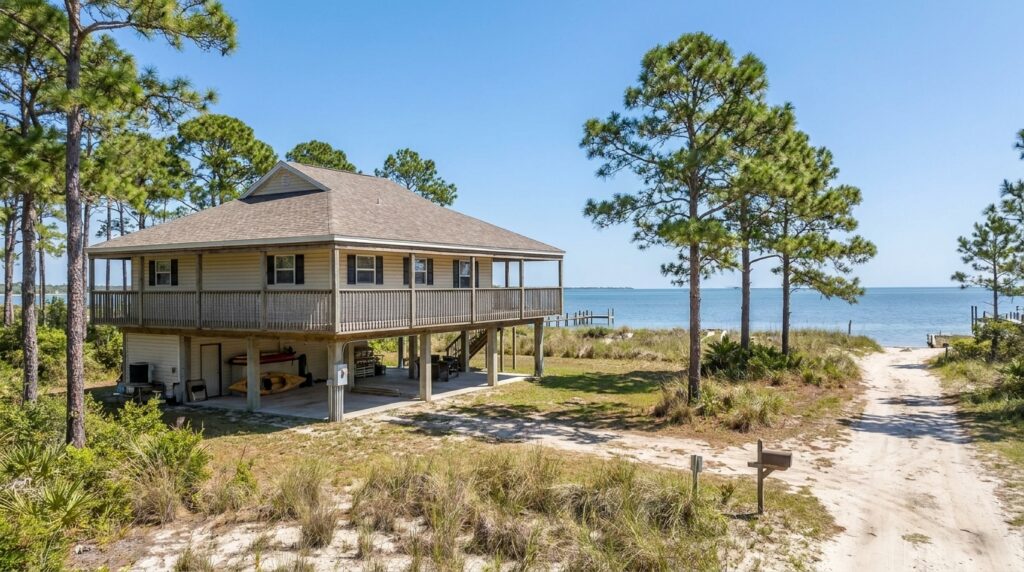
How do I sell my St. George Island beach house in 2026 before relocating out of state when I have never sold a coastal property before and do not know where to start?
You start by understanding that selling a barrier island property is nothing like selling an inland home, then you line up coastal-specific inspections, price for the current market, and partner with someone who knows this island inside and out.
Why Selling a St. George Island Beach House in 2026 Requires a Different Playbook
If you have never sold a coastal property before, the single most important thing I can tell you is this: almost everything you think you know about selling a house needs to be recalibrated for a 22-mile barrier island with no high-rises, no traffic lights, and a buyer pool that thinks in terms of rental income, flood zones, and wind mitigation.
My family moved to St. George Island in 1968. My father was a realtor on this coast. I have been around this business my entire life, and after 13 years and over 300 transactions of my own, I can promise you that the sellers who struggle are the ones who try to apply mainland thinking to an island sale. The good news? Once you understand what makes this market different, the process is entirely manageable, even from out of state.
The 2026 market has shifted. According to spring 2025 MLS data, homes on St. George Island are spending over 100 days on market on average, and actual sales are coming in at roughly 95% of list price. That is a more balanced market than the pandemic-era frenzy, and it rewards sellers who are strategic rather than impulsive.
Understanding the St. George Island Market Before You List
Before you do anything else, you need to understand what your property is actually worth in this specific market, because pricing on St. George Island does not follow the rules you might expect.
The terminology here matters. “First tier” means your home sits directly on the Gulf. “Second tier” means you are one row back. That distinction alone can mean a six-figure difference in value. Gulf-front homes on the West End along E. Gulf Beach Drive regularly push well above $1.5 million, while bay-side or non-waterfront properties in the same area can come in between $650,000 and $900,000.
As of mid-2026, the average price for St. George Island real estate is approximately $1,502,000, with an average price per square foot of $621, per MLS data last updated July 12, 2026. But the median sale price tells a somewhat different story: around $1.2 million, with the average home selling for about 6% below list price and going pending in around 121 days, according to recent market data.
What does that actually mean for your situation? It means overpricing is the fastest way to watch your listing go stale while you are trying to coordinate a move across state lines. The homes that move fastest on this island are turnkey properties, either newly built or fully renovated, that a buyer can step into and start generating rental income immediately.
The Coastal-Specific Checklist Every St. George Island Seller Needs
This is where selling a beach house separates dramatically from selling a home in a suburban subdivision. You need to gather documents and complete inspections that most inland sellers have never heard of.
Flood Zone and Elevation Documentation
Most properties on St. George Island sit in FEMA flood zones AE or VE. Your buyer’s lender will require an elevation certificate and proof of flood insurance. If you do not already have a current elevation certificate, getting one now, before you list, removes a hurdle that can delay closings by weeks.
Wind Mitigation Report
Florida law allows insurance premium discounts for homes with verified wind-resistant features. A current wind mitigation report signals to buyers that your home has been properly evaluated, and it gives them a tangible number they can use when shopping for insurance. Since the average Citizens Property Insurance premium in Franklin County is about $2,575 per year (per Franklin County market data), and private quotes vary significantly by roof age, elevation, and flood zone, anything you can do to demonstrate lower insurance costs makes your property more attractive.
Septic System Inspection
Properties on St. George Island use septic systems, not municipal sewer. Buyers will absolutely want a septic inspection report, and smart sellers get this done before listing so there are no surprises mid-contract.
4-Point Inspection and WDO Report
A 4-point inspection covers your roof, electrical, plumbing, and HVAC. A wood-destroying organism (termite) report is standard in Florida transactions. In a saltwater environment, these systems take more wear than their inland counterparts, so documenting their condition upfront builds buyer confidence.
How to Price and Position Your St. George Island Home for Investors and Second-Home Buyers
Here is something I always explain to relocating sellers: the buyer pool for St. George Island real estate is not the same as a typical residential market. Your most likely buyers are vacation-home purchasers and rental investors. That changes everything about how you should position your property.
Document Your Rental Income History
If your home has been used as a vacation rental, your rental income history is one of the most powerful selling tools you have. Active listings on the island right now are showcasing gross rental incomes ranging from roughly $96,000 to $126,000 per year, according to current MLS listing data as of July 2026. Verified rental numbers turn your home from “a nice beach house” into “a performing asset,” and that is what moves the needle with serious buyers.
Gather every rental management statement, booking confirmation, and income report you can find. Organize it clearly. If your home has never been rented, work with your agent to develop a projected rental income analysis based on comparable properties.
Stage for the Buyer Who Is Not Moving In Full-Time
Your buyer likely will not live here year-round. Stage with that in mind: coastal, clean, bright. Remove deeply personal items but leave the breezy, vacation-ready feel intact. Think about what draws people to that walk down E. Gulf Beach Drive past the pastel houses and sea oats. Your home should channel that feeling the moment someone steps through the door.
Timing Your St. George Island Sale Around a Relocation Timeline
When you are relocating out of state, timing is not just a marketing question. It is a logistics question.
The Best Listing Window
Peak season for St. George Island buyers runs from March through early June, when vacation-home shoppers are most active and the island is at its most inviting. If you can get your property listed in that window, you give yourself the best chance at a competitive offer.
What you want to avoid, if at all possible, is listing during the peak of hurricane season from August through October. Buyer anxiety spikes, insurance complications multiply, and everything just moves slower.
Plan for a Realistic Marketing Period
With the average days on website sitting at 145, according to July 2026 MLS data, you should plan for a 3 to 5 month marketing window from list to close. That means if your relocation date is firm, you need to be working backward from that date, not forward from today.
Managing the Sale Remotely
With 13 years of experience and over 300 closed transactions, including many for out-of-state sellers, I can tell you that remote closings are completely routine here. Florida allows remote notarization, and a good local agent handles showings, inspections, and contractor coordination on your behalf. What I tell my clients is that the key is choosing someone who is physically present on the island day in and day out, not someone managing your listing from Tallahassee or Jacksonville.
What St. George Island Sellers Typically Pay at Closing
You need to budget for these costs so your relocation finances pencil out:
- Real estate commissions: Negotiated between you and your agent, typically a percentage of the sale price
- Documentary stamps: Florida charges documentary stamp tax on the deed at closing
- Title insurance: In Florida, the seller customarily pays for the buyer’s owner’s title insurance policy. The Consumer Finance Protection Bureau provides guidance on title insurance and closing services to help you understand these costs.
- Prorated property taxes: Average property taxes on St. George Island are about $8,100 per year, per MLS data as of July 2026
- Outstanding liens, HOA fees, or special assessments: If your property is in The Plantation or another community with an HOA, confirm your payoff amounts early
All told, Florida sellers commonly see total closing costs in the range of 6% to 9% of the sale price when all line items are combined.
Frequently Asked Questions About Selling a St. George Island Beach House in 2026
What is the current average price for homes for sale in St. George Island?
As of July 12, 2026, per MLS data, the average price in St. George Island is approximately $1,502,000, with an average price per square foot of $621. However, actual sale prices vary dramatically based on whether your home is Gulf-front, bay-front, or interior. Pricing depends heavily on your specific tier and location on the island.
How long does it take to sell a house on St. George Island in 2026?
According to recent market data, St. George Island homes are going pending in around 121 days on average, and the average days on website is 145, per July 2026 MLS data. If your home is competitively priced and turnkey, you may beat that average; if overpriced, expect significantly longer.
Do I need a flood zone certification to sell my St. George Island home?
Yes. Most St. George Island properties are in FEMA flood zones AE or VE. Buyers and their lenders will require an elevation certificate and flood insurance documentation. Having these ready before listing prevents delays that can derail a closing when you are trying to relocate on a deadline.
What inspections are unique to selling a coastal property in Florida?
Beyond a standard home inspection, you should obtain a wind mitigation report, a 4-point inspection (roof, electrical, plumbing, HVAC), a septic system inspection, and a wood-destroying organism report. These are either required or strongly expected in barrier island transactions on St. George Island.
How does insurance affect the sale of my St. George Island beach house?
Insurance is one of the largest line items in a Florida housing budget. The average Citizens Property Insurance premium in Franklin County is about $2,575 per year, per county market data, though private premiums vary widely. Buyers will scrutinize your insurance cost history and claims record closely.
Can I sell my St. George Island home while living out of state?
Absolutely. Florida allows remote notarization, and with an experienced local agent managing showings, inspections, and contractor coordination on the island, you can complete the entire sale remotely. This is routine in a market driven by second-home and vacation-rental ownership.
Should I document my rental income before listing?
Yes, and this is critical. Verified rental income histories are one of the strongest selling tools on St. George Island. Properties on the island are currently showcasing gross rental incomes ranging from roughly $96,000 to $126,000 per year, according to current MLS listing data as of July 2026. Documented income helps justify your asking price.
What is the best time of year to list a St. George Island beach house?
The strongest buyer activity runs from March through early June. You want to avoid listing during peak hurricane season, roughly August through October, when buyer anxiety increases and insurance complications can stall transactions.
How much below list price are St. George Island homes selling for?
According to spring 2025 market data, homes on St. George Island are selling at approximately 95% of list price. More recent data suggests the average home sells for about 6% below list price. Competitive pricing from day one is essential to avoid extended time on market.
Why does selling a beach house differ from selling a regular home?
Barrier island sales involve flood zone documentation, wind mitigation reports, septic inspections rather than municipal sewer connections, saltwater wear on systems, and a buyer pool driven by vacation rental investment rather than primary residence needs. Each of these factors requires specialized knowledge of St. George Island real estate.
The Bottom Line on Selling Your St. George Island Beach House in 2026
Selling a coastal property on St. George Island before a relocation does not have to feel overwhelming. It does, however, require understanding what makes this 22-mile barrier island fundamentally different from any inland market. Gather your coastal-specific documents early. Price honestly for a balanced market. Showcase your rental income. And work with someone who lives and breathes this island.
I have been on this coast since 1968 and in real estate for over 13 years, with more than 300 transactions and 33 five-star reviews from past clients. If you are thinking about selling your St. George Island beach house and relocating, I would love to have an honest conversation about your timeline, your property, and your options. You can reach me, Melissa Chandler, at 850-653-7893 or visit my office at 140 W 1st Street on St. George Island. What I care about most is that you feel taken care of through every step of this process.